Debunking winter driving myths
With shorter days and possible ice or snow on the roadways, we set the record straight on how to best prepare you and your car.
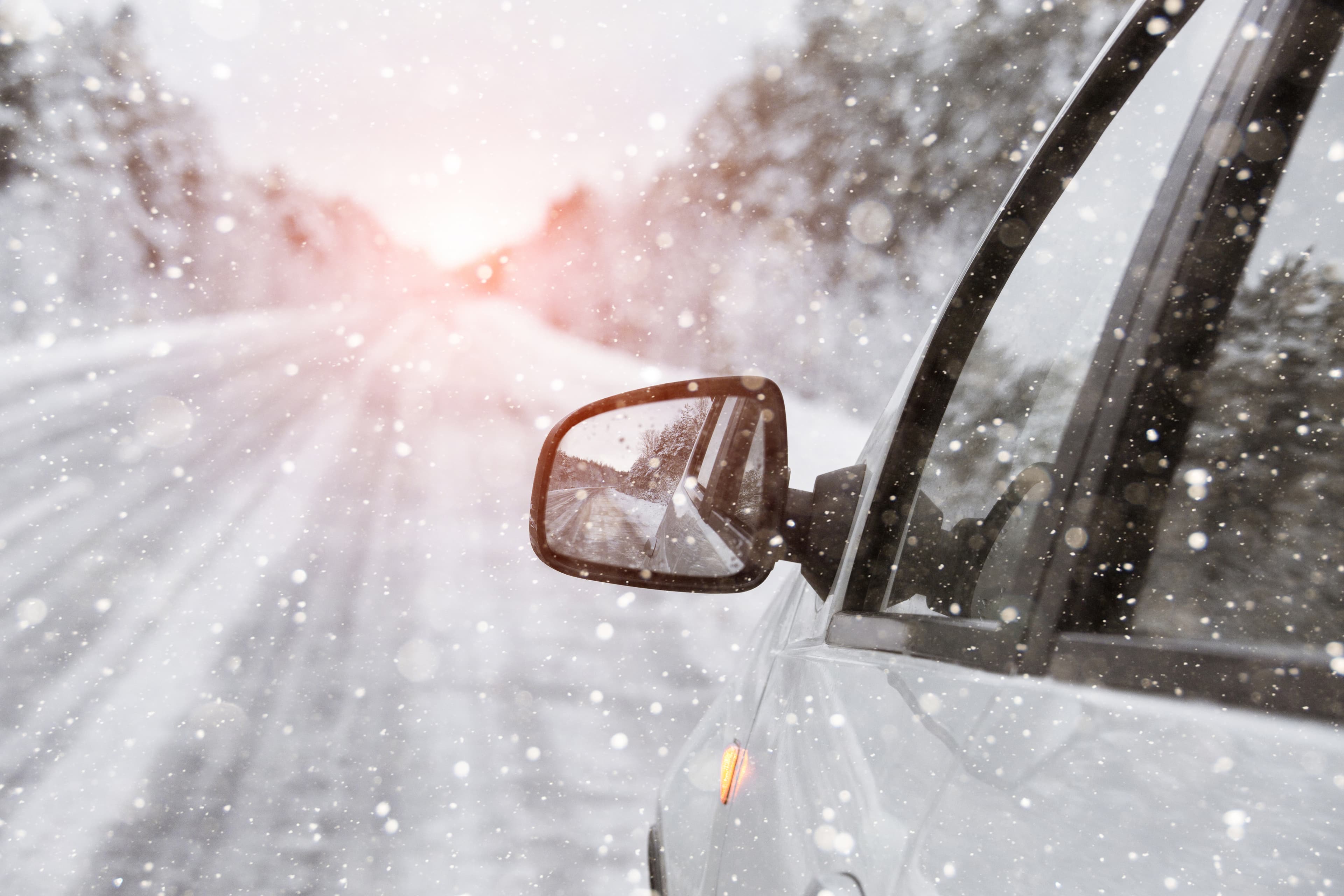
Winter can often bring an increased risk of being on the roads. According to the Federal Highway Administration, nearly 70 percent of the U.S. population lives in snowy regions and receives more than five inches of average snowfall annually.
While any amount of snow, sleet, or ice on the ground reduces pavement friction, these elements are not the only dangers you face on the road – you’re also at risk due to other drivers who might believe potentially dangerous winter driving myths.
Review these winter driving myths to help you drive safely and keep your car in better condition throughout the cold months.
You can wait to change your oil
It’s important to properly maintain your car year-round, including regular oil changes. Cold weather can affect the viscosity of your engine oil. As our Take 5 Oil Change team shares, a full synthetic oil will also handle cold weather better, as it will flow more easily in cold conditions. If you’re not sure, check your car’s manufacturer recommendations, or ask a trusted partner, like Take 5.
Washing your car during the winter isn’t worth it
Some will tell you that you don’t need to wash your car regularly during the winter. Snow and salt accumulates, and people will say that it makes more sense to wait till the season before you give your car a thorough washing.
There is one major problem with that piece of advice: salt and metal do not mix.
In fact, road salt and other ice melting chemicals are some of the worst things for your vehicle. If they build up over time, they can lead to rust and corrosion.
While there is a risk of your freshly clean car getting dirty again after leaving the car wash, your car will thank you in the long run. Take 5 Car Wash offers additional recommendations on protecting your car in the winter.
You only need to clean snow/ice off your windshield
Of course, it’s important to clean off your front windshield before hitting the road. However, you put yourself and other people on the road at risk if you fail to clean off the snow from the rest of your car, too.
This includes:
- Side windows
- Side mirrors
- Rear windshield
- Headlights and rear lights
- Roof
- Top of trunk
Failing to do so means you might be able to see straight ahead as you drive, but you will not have a full view of your surroundings. Plus, falling snow and ice from your vehicle can result in an accident. Some areas of the country have laws in place to hold people who drive with excess snow on their vehicle accountable for any collision it might cause.
You need to warm up your engine for a few minutes
This advice has been passed down from generation to generation. While it might be more comfortable for you, letting your car idle for a while before driving in the cold ends up doing more harm than good. For modern cars, this is an unnecessary step, according to Consumer Reports. You can drive vehicles today approximately 15-30 seconds after the engine has started; However, diesel engines may require a little extra time. Letting your running car sit for any extended period of time creates unnecessary exhaust emissions and does nothing to benefit the engine.
If you're in a hurry to get your car warm, get behind the wheel and start driving. That’s the best way to heat your vehicle up.
You can do anything with all-wheel drive
All-wheel drive (and four-wheel drive) is a life changing safety feature, but it does not make you invincible. To be safe in snowy or icy conditions, it’s all about how you drive – not what you drive. You still need to adjust your driving methods to the weather. This could include slowing down more for turns or putting more space between you and the car in front of you on the road. Smart driving always trumps vehicle technology.
Winter tires are a waste of money
Winter tires first hit the market in the 1930s. Ever since, people have debated whether or not they are a “worth it” investment. Many people feel that “all-season” tires provide the same benefits. The truth is that your vehicle will always perform better in cold, ice, and snow with a set of dedicated winter tires, even if you already have traction control or all-wheel drive.
All-season tires can technically be used through any season, but they are not the best option for driving anywhere that gets snow or dips into below freezing temperatures. Winter tires are engineered with the right rubber compound and treads to help you stop, steer, and accelerate during the cold, snowy months. In fact, a research study conducted by the Traffic Injury Research Foundation found that winter tires outperform all-season tires in terms of traction, cornering, and braking.
While it’s an additional investment, having a set of dedicated winter tires offers you better protection.
Now that we’ve busted these winter driving months, you can hit the road no matter the weather and know how to drive safer and smarter.